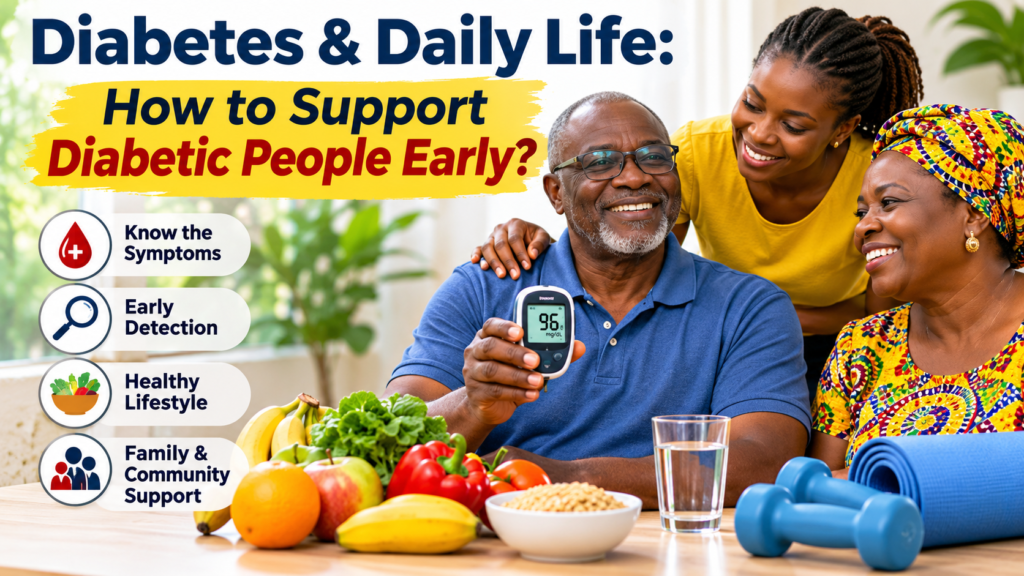
Diabetes & Daily Life: How to Support Diabetic People Early?
Diabetes is now a major public health issue affecting millions of people worldwide. It can impact daily routines, family responsibilities, food choices, and mental health, and it affects busy working professionals, older adults, and young people. But living with diabetes doesn’t mean you have to give up on living an active, meaningful, or fulfilling life.
It’s just about awareness and being able to get to a doctor in time, and the support that you get from the people around you. Families, friends, workplaces, and communities all have a role to play in creating an environment in which diabetic people feel comfortable talking about their health.
November 14 is World Diabetes Day, a day to share these challenges and motivate people to take early detection. Whether you are in Ghana, India, the United Kingdom, or anywhere else, the first step to better health awareness is to know your condition.
What is diabetes? How does it affect your life on a day-to-day basis?
Diabetes is a chronic (long-lasting) health condition that affects how your body turns food into energy. Glucose is the fuel for the body. Insulin helps to carry glucose from the bloodstream into the cells.
If the body doesn’t produce enough insulin or can’t use insulin effectively, blood glucose levels can get too high. There are different types of diabetes:
- In type 1 diabetes, the immune system attacks the cells that make insulin.
- Type 2 diabetes occurs when the body does not use insulin properly or does not produce enough insulin to keep blood glucose levels normal.
- Gestational diabetes takes place during pregnancy.
This condition can affect your day-to-day life, including your meal preparation, your physical activity, your medication schedules, and your routine health checks. However, many people can live normal lives and achieve their goals with the right healthcare and support from others.
Common Warning Signs Of Diabetes You Should Know About
To be aware of diabetes, it’s important to know what warning signs to look for. Some symptoms will take time to appear; others may appear faster. Symptoms can include:
- Frequent urination, especially during the night.
- Feeling thirsty.
- Urge to overeat.
- Sudden Weight Loss.
- Feeling tired even after small work.
- Inability to see properly.
- Wounds and cuts take longer to heal.
Note that symptoms are individual for each person. Some people, especially those with type 2 diabetes, may have very mild symptoms or no obvious changes for years.
These signs don’t necessarily mean you have diabetes. If you are worried about symptoms you are experiencing, seek medical advice and appropriate testing, rather than self-diagnosing.
Understanding The Significance of Early Diagnosis of Diabetes
If diagnosed early, people can be informed about their health condition and discuss appropriate care before complications develop.
According to the 2025 Diabetes Atlas of the International Diabetes Federation, in 2024, there were about 589 million adults with diabetes worldwide. It’s estimated that 252 million people don’t know they have the condition. Such figures show the need for greater focus on awareness and access to health screening.
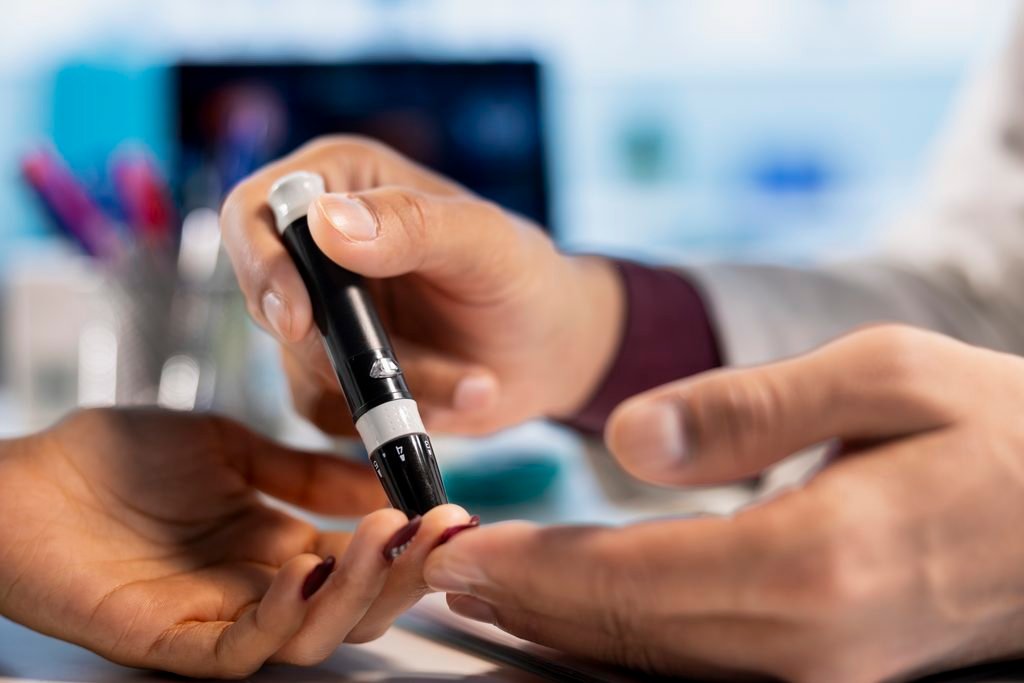
Blood glucose tests may be recommended by health care professionals based on symptoms, age, medical history, and other risk factors. Fasting plasma glucose, oral glucose tolerance test and HbA1c are the usual tests for diagnosis.
Regular health checks can also help people to find out more about their blood pressure, cholesterol, and other aspects of their general health. To summarise, don’t wait for serious symptoms to discuss any potential health concerns with a medical professional.
Everyday Wellness: Healthy Life Practices To Support Diabetes Care
A good routine can make life easier for people who suffer from diabetes. Lifestyle choices should be realistic, sustainable, and appropriate to the individual’s health needs. Here are some habits to develop:
1. Choose meals that are healthy and balanced
Choosing what to eat is an important part of managing diabetes. You can have a balanced eating pattern with vegetables, whole grains, fruits, pulses, suitable sources of protein, and healthy fats. People need to learn about proper portion sizes and what their nutritional needs are, instead of going on extreme diets or eliminating whole food groups without first consulting a doctor.
2. Include Physical Activity in Your Routine
Walk, cycle, swim, dance, or do some other fun activity to improve your health. According to the World Health Organization(WHO), adults should do at least 150 minutes of moderate-intensity physical activity per week. But personal fitness plans should be based on individual health issues and advice from a professional.
Small changes like taking regular walking breaks or using the stairs when you can help you become more active.

3. Stick to a regular sleep schedule
Sleep is a massively underrated part of wellbeing. A regular sleep schedule and a comfortable sleep environment may help with daytime functioning. If you have ongoing sleep problems, seek advice from a health professional.
4. Reduce Bad Habits & Avoid Smoking
One major health recommendation for all people, including people living with diabetes, is to avoid smoking. People should also talk about alcohol use and other lifestyle issues with their health care providers. These habits aren’t about being perfect. Realistic improvements and consistency help more than temporary lifestyle changes.
Supporting People with Diabetes: The Role of Family and Friends
Family and friends can make such a difference to everyday life. But support isn’t about constantly standing over someone’s food, interrogating their choices, or making them feel guilty about every health problem. Instead, listen first. Ask what would be helpful.
Some may want to be reminded of appointments; others may want company on a walk or help planning meals. Families can also:
- Find out more about diabetes from credible health organisations.
- Make regular doctor’s appointments a priority.
- Help create balanced family eating habits.
- Honour the person’s choices about food and treatment.
- No negative comments on weight or eating habits.
- Be emotionally supportive without being judgemental.
A supportive environment makes people feel understood, not alone.
Diabetes Awareness and Health Issues in Ghana
Diabetes awareness in Ghana is part of a bigger conversation about public health and access to health care.
The International Diabetes Federation’s 2025 Diabetes Atlas estimates that in 2024 there are 317,400 adults living with diabetes in Ghana. The country-level estimates also suggest a huge gap in diagnosis.
The importance of community education, screening services available, and reliable health information is therefore of particular importance. Traditional Ghanaian meals may be included in a healthy meal plan by monitoring portion sizes and individual nutritional needs.
Varieties such as kontomire, garden eggs, beans, fish, vegetables, and whole grains can supplement the diet. People need practical advice on how to prepare, how much to eat, and how to balance traditional foods in a meal rather than thinking they are good or bad.
Community health centers, health care professionals, schools, and families can all help understand conversations about diabetes. Public awareness activities can assist in dispelling some of the misconceptions and make health screening appear more accessible.
The International Diabetes Federation’s Kids and Diabetes in Schools (KiDS) program that started in Ghana in June 2025 is one positive step to increase awareness and knowledge of diabetes in school communities. These actions show why education must start with early detection and go beyond hospitals and clinics.

Promoting mental and emotional health
Living with a long-term health condition can be an emotional challenge at times. They might be frustrated about changing their diet, worried about medical bills, concerned about their health in the future, or have trouble sticking to a routine. That’s why mental health has to be part of the conversation around diabetes management.
Your friends and family can help by just listening to you without judging you or pressuring you. Workplaces and schools can encourage understanding and reasonable accommodation for those who require medical appointments or health-related breaks.
If you are feeling emotionally troubled for a long time, you might want to seek professional mental health help. And most importantly, diabetes should never be a cause to treat a person differently or exclude them from social activities.
The Role of Community and Technology in Diabetes Awareness
Public awareness can be raised by people, organisations and healthcare institutions working together. Community health drives, workplace wellness schemes, school education and local screening projects can promote early detection.
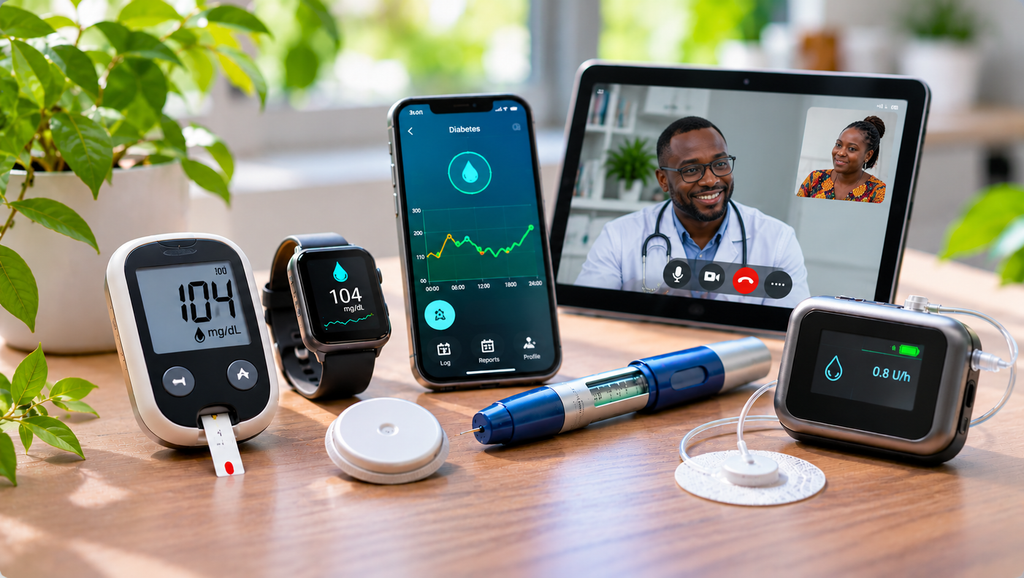
Technology is opening doors in new ways too. Digital health apps, glucose monitoring devices and telemedicine services can help facilitate communication between patients and health care professionals.
Technology is meant to supplement, not replace, professional medical advice. Access, affordability, online literacy and trustworthy information are still important issues, especially in areas with limited health-care resources.
Governments and health organisations also have a role in providing access to essential medicines, screening and long-term care.
Conclusion: Small Steps Lead to Big Differences
Diabetes is a health condition that needs attention, knowledge and ongoing support. From spotting early signs to recommending regular scans and healthier lifestyle choices, each small step can contribute to greater health awareness. It’s not just the responsibility of those living with the condition. And families, friends, schools, employers, health care professionals and communities all have a role to play.
In Ghana and elsewhere, the goal must be to ensure that credible health information is available, stigma is reduced, and timely medical attention is sought. This World Diabetes Day, let’s move beyond just talking about the condition.
Let’s build communities where people feel supported, educated, and empowered to get help. Because sometimes a little understanding from someone close, a routine health check, or an early conversation can be an important step to a healthier future.
Disclaimer: This article is for general health awareness and education purposes only. It is not meant to be a replacement for professional medical advice, diagnosis, or treatment. Individuals should discuss their individual health care needs with their qualified health care professionals.