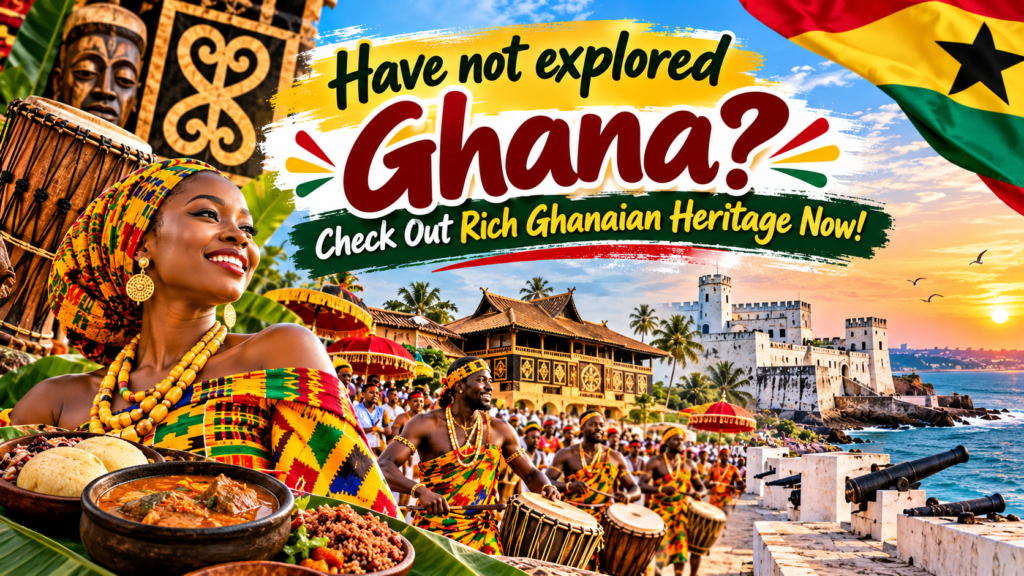
Have not explored Ghana? Check Out Rich Ghanaian Heritage Now!
Ghanaian Heritage: Introduction to A Culture Full of Heart!
What makes a country memorable? Is it the places we visit, the food we eat, the stories our grandparents tell us, or the traditions that bind communities together? The answer in Ghana is a bit of everything.
Ghana lies on the Guinea coast of West Africa. Many ethnic communities, languages, historic kingdoms, artistic traditions and centuries of interaction with the wider world have shaped the country’s cultural identity. Its legacy lives on beyond museums and historical monuments. It is found in everyday greetings, in colourful fabrics, in traditional music, in family celebrations and in the knowledge that is passed from one generation to another.
For many Ghanaian communities, cultural traditions connect them to family and community. They can also be a way of understanding one’s roots for the younger generation and Ghanaians abroad. But for international visitors, there is a country with a history of extraordinary creativity, powerful kingdoms, international trade, and difficult chapters that deserve frank remembrance.
Discovering Ghanaian heritage is all about going beyond the usual tourist spots. It means learning the ideas behind cultural symbols, the stories behind the festivals, and the people who are still keeping these traditions alive.
1. The Different Cultures of Ghana: One Country, Many Communities
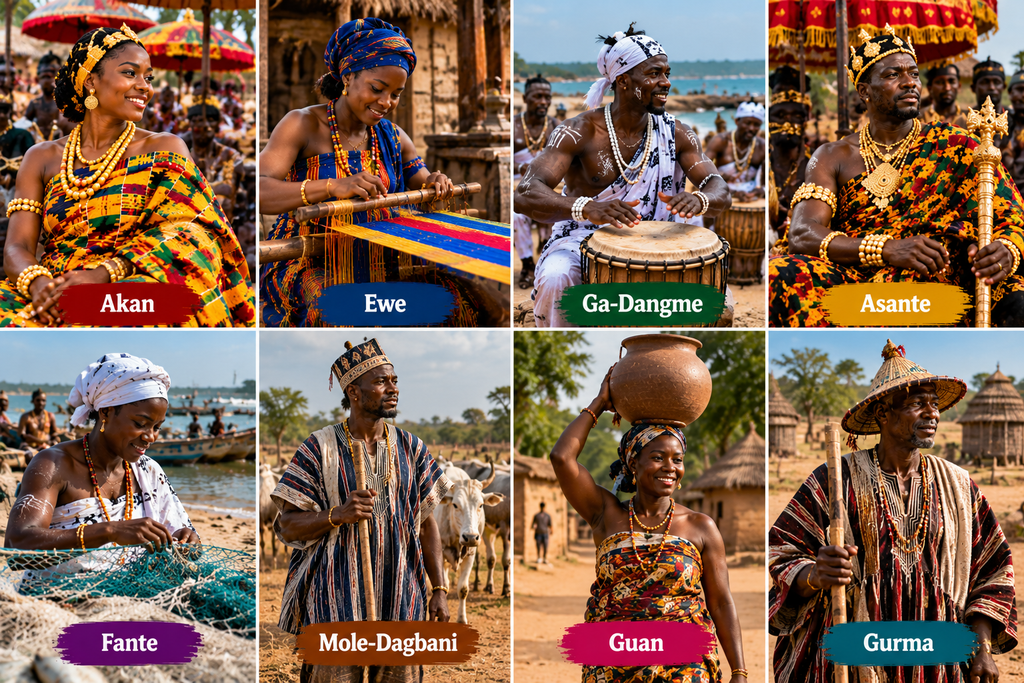
Ghana is a country growing with ethnic groups. These groups all add to the cultural scene of the country. The largest of these are the Akan peoples, among them the Asante and the Fante. Other major communities include the Ewe, Ga-Dangme, Mole-Dagbani, Guan, and Gurma peoples.
These are societies with their own languages, customs, artistic practices, and histories. Within one large culture, there can be different traditions in different towns and families. Thus, Ghanaian identity is not a single cultural pattern but a set of related and distinct traditions.
English is the official language of Ghana, but other languages such as Akan, Ewe, Ga, and Dagbani are spoken throughout the country. Language is far more than a means of exchanging everyday information. It keeps its jokes, its proverbs, its local history, and forms of respect.
Traditional leaders still play a major role in many communities. Chiefs and other traditional leaders can have roles in customary affairs, community development, and cultural ceremonies. Their duties and influence depend on the local traditions and the constitutional framework of Ghana.
If you want to enjoy Ghana, you must appreciate this diversity. No festival, language, or custom can represent all Ghanaian communities, and that diversity is one of the greatest cultural strengths of the country.
2. Adinkra Symbols: Hidden Messages In Art
One of Ghana’s best-known artistic traditions is Adinkra, a system of symbols particularly associated with Akan culture. These symbols express ideas of wisdom, relationships, responsibility, spirituality, and human experience.
Assume Sankofa, the symbol often depicted as a bird looking backward. The message is often taken to mean that one must go back to the past to be able to gain important knowledge. The lesson is helpful. We can learn from past experiences and make better present-day decisions.
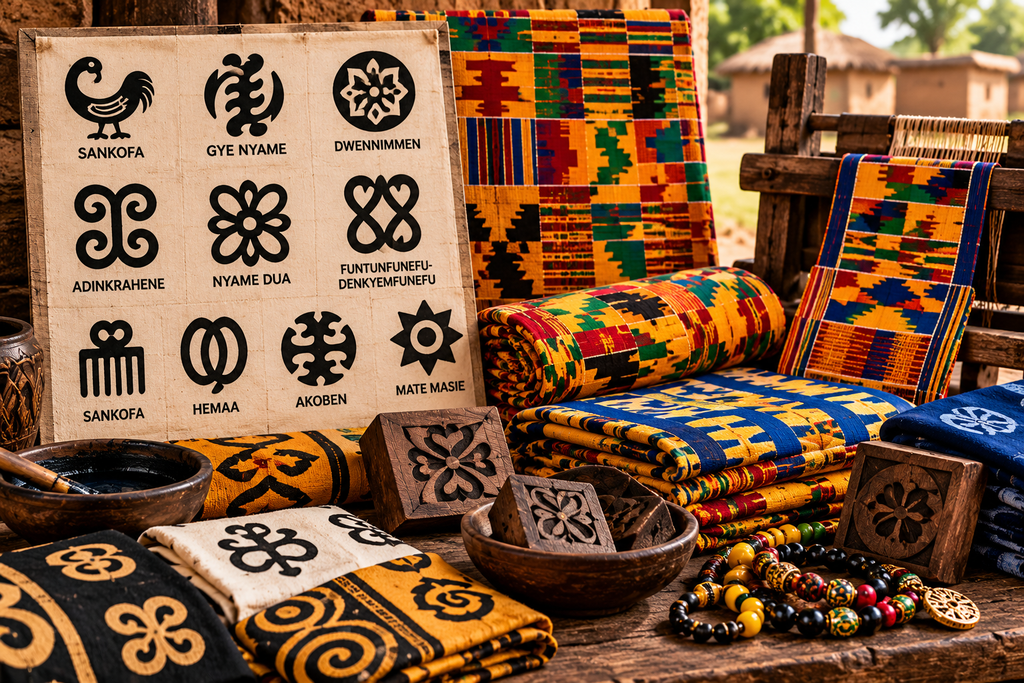
Another popular symbol is Gye Nyame, which stands for the supremacy or omnipotence of God. Traditionally, Adinkra designs have been used on cloth and other forms of artistic expression and are still a source of inspiration for contemporary fashion, jewellery, graphic design and architecture.
Another major textile tradition is Kente, especially the weaving of the Asante and Ewe. Its intricate patterns and vivid colour schemes are now instantly recognisable globally. Different designs can have cultural associations, and the cloth is worn at celebrations, ceremonies and other important events.
Such art traditions show the coexistence of beauty and meaning. Textiles can be eye-catching for their colours, but in examining the design, wider ideas about history, identity and belonging can be revealed.
3. Traditional Festivals: Memory and Community
Festivals across Ghana combine history, spirituality, family relations and pride in the community. The music, the dancing, the clothing and food are all things visitors may notice first, but often the meaning behind each celebration is even more interesting.
Homowo is a festival by the Ga people to celebrate the end of famine. The name is often said to mean “hooting at hunger.” The festival connects the memory of hardship with food, celebration, and community solidarity.
People of Effutu’s Winneba celebrate the Aboakyer festival with a unique tradition of hunting a deer. Hogbetsotso is a festival of the Anlo Ewe people to commemorate their migration from Notsie in search of a new home.
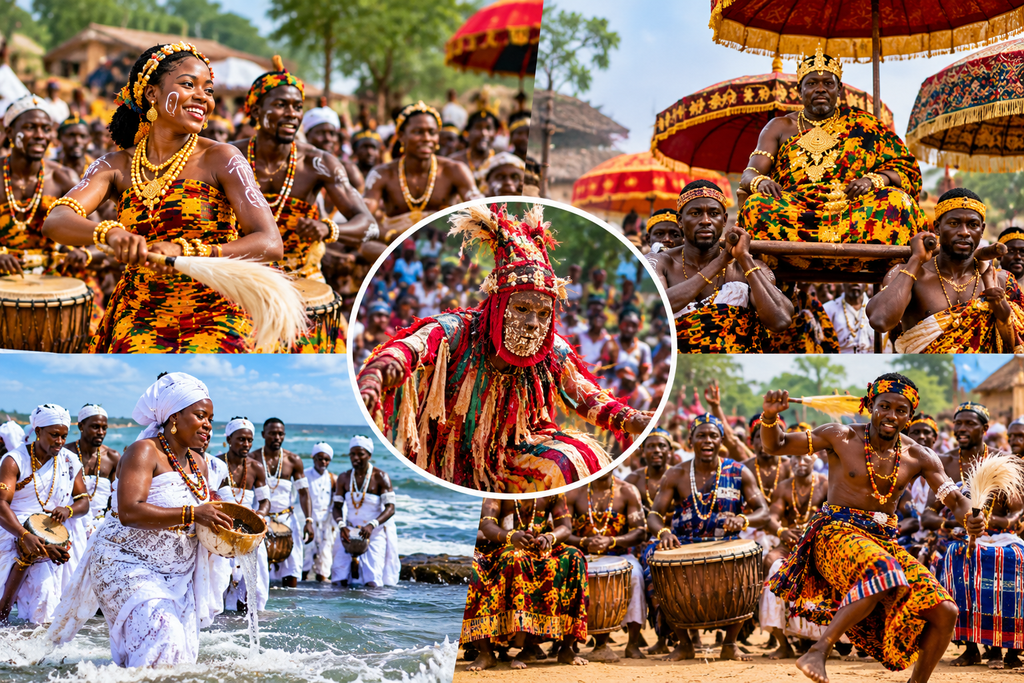
Other celebrations, such as the Adae festivals of the Asante tradition, reflect historical and spiritual relationships to the traditional calendar and royal institutions.
Festivals are also opportunities for learning about culture. Kids can enjoy traditions, young adults can reconnect with their communities, and visitors can learn more about the local history. They also provide opportunities for musicians, craftspeople, food vendors, and tourism businesses.
But cultural celebrations are not interchangeable attractions. Each has its own history, practices, and meaning for the community. This consciousness makes visitors appreciate Ghanaian heritage with reverence.
4. Kingdoms & Historical Landmarks: A Walk Into the Past
Several powerful states and kingdoms flourished in Ghana, among them the Asante Kingdom, which developed a sophisticated political system, a military organization, trade networks, and artistic traditions. The Golden Stool is of great symbolic value to the Asante political and cultural identity.
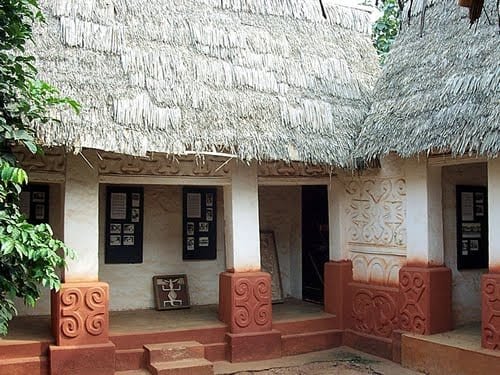
Historical landmarks also give insight into the nation’s past. The Asante Traditional Buildings near Kumasi preserve examples of traditional architecture, decorative techniques, and cultural symbolism. They were inscribed on the UNESCO World Heritage List in 1980.
Cape Coast Castle and Elmina Castle on the coast of Ghana are testimonies to European trading activities and to the transatlantic slave trade. These sites serve as important reminders of the suffering of enslaved Africans and the legacy of the institution of slavery.
Ghana’s history of independence is also important. The country became independent from British colonial rule on 6 March 1957, with Kwame Nkrumah as its first prime minister. Ghana became a symbol of African self-government in the wider decolonisation movement.
All of these places and events together tell a complex story. Ghanaian heritage is creativity, political achievement, resistance, painful memories, and the work of developing a national identity.
5. Food, Music, and Oral Traditions: Living Heritage
The best way to see culture is through the practices of everyday life. Knowledge passed down through generations can be found in a family dinner, a familiar song, or a proverb from an elder.
Ghanaian food is a reflection of the place’s ingredients and traditions. Popular dishes include waakye, kenkey, banku, fufu, and tuo zaafi. The communities and household preferences are diverse, and hence their preparations and accompaniments vary.
Music and dance are also important parts of cultural life. Traditional drumming is used in ceremonies, festivals and social gatherings. Instruments, rhythms and movements may carry particular meanings for particular communities or in relation to particular events.
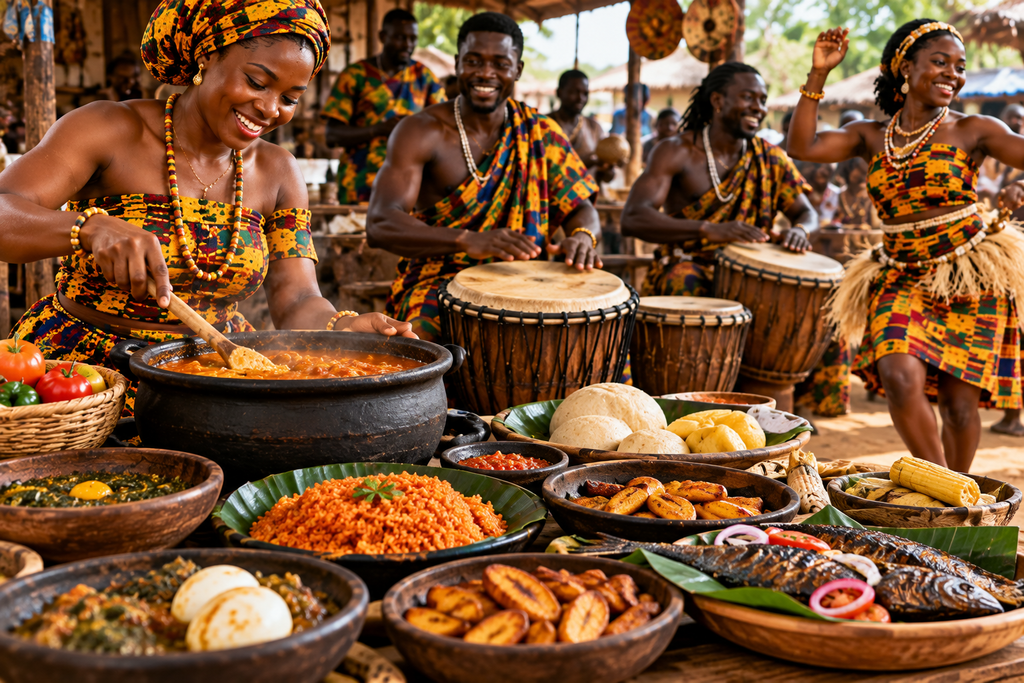
Similarly, Ghana’s present-day music scene is inspired by traditional sources, and reflects the evolution of cultural expression.
Oral traditions preserve the history, values, and knowledge of the community. Proverbs teach great wisdom concisely. Folktales may focus on subjects such as honesty, patience, responsibility, and cleverness, using unforgettable characters and situations.
As long as people observe these customs, they remain alive. Parents can teach kids how to cook, elders can explain local expressions, and young people can record family histories with permission. Preserving culture is not the same thing as rejecting modern life. Making space for traditional knowledge in contemporary life.
6. Keeping Ghana’s Heritage Alive for Future Generations
The cultural heritage of Ghana is under threat from the decay of historic buildings, the loss of traditional knowledge, changes in language use, and the pressures of urban development. Saving heritage is a collaboration between communities, cultural institutions, educators, researchers, and government bodies.
Historic sites need to be protected carefully. Traditional artisans must be allowed to pass on their skills and make a living. Languages and oral histories are helped by being recorded, taught, and used in everyday life. When tourists respect local customs and the needs of host communities, tourism can help in preservation.
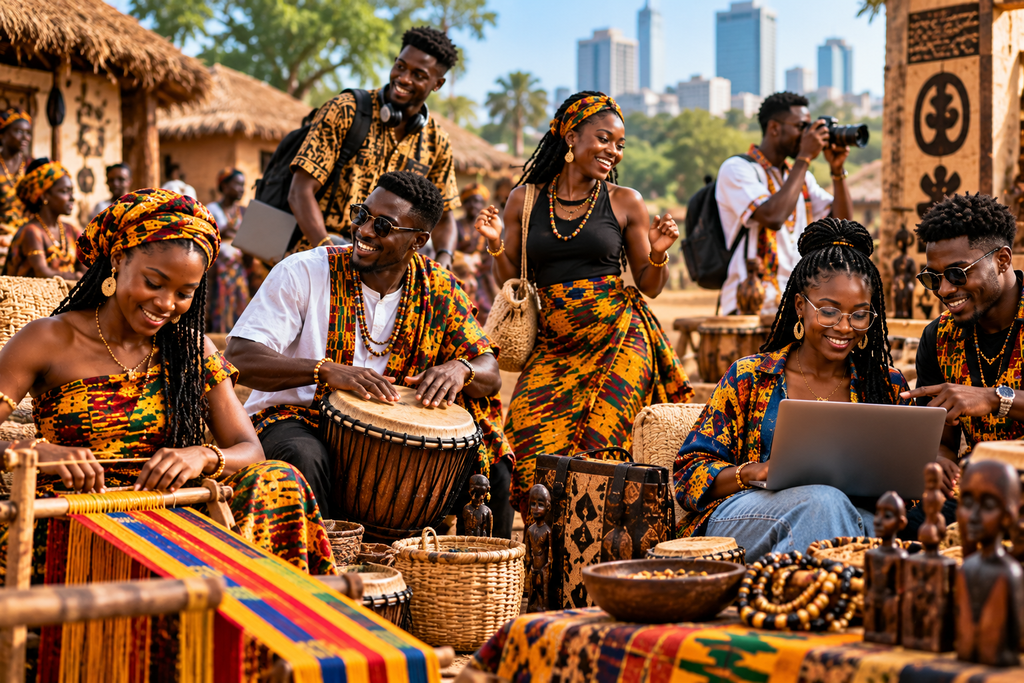
Young people have an important role in this process. They can share cultural knowledge, learn traditional skills, interview elders, and promote local arts through digital media. They may also assist in ensuring that cultural representations are accurate and that communities are acknowledged for their contributions.
Heritage is not just the inheritance from the past. It is something that people interpret, protect, and pass on. Traditions may change, but communities can change them and keep the meaning alive.
Quiz Mania: Ghanaian Heritage Knowledge
Before moving to the conclusion, as a Ghanaian, irrespective of community and place, one should know about the culture and check their knowledge with their roots. Take part in the Quiz and comment below with your knowledge percentage. All the Best!
Ghanaian Heritage Challenge
25 questions. Five rounds. One journey through the stories, symbols and traditions of Ghana.
Loading your first question…
Need a small hint?
Your heritage result
Answer review
Conclusion: Know the Stories Behind the Traditions
Ghanaian heritage is a diverse web of stories, symbols, languages, traditions, and shared experiences that links the country’s past with its present. Every cultural expression, from the vibrant festivals and traditional fabrics to the local cuisine and family storytelling, is proof of the creativity, resilience, and identity of Ghanaian communities.
That’s the beauty of Ghana, the way people celebrate life, embrace togetherness and pass down their cultural values to younger generations. With changing modern lifestyles, it is important to preserve traditional knowledge. Through storytelling, music, craftsmanship, and digital creativity, young Ghanaians are able to keep their heritage alive and share it with the wider world.
Ultimately, to understand Ghana’s heritage is to understand not just the facts of its history, but the people and their stories. Each generation has the responsibility to preserve this cultural heritage and to ensure that it will inspire the future.