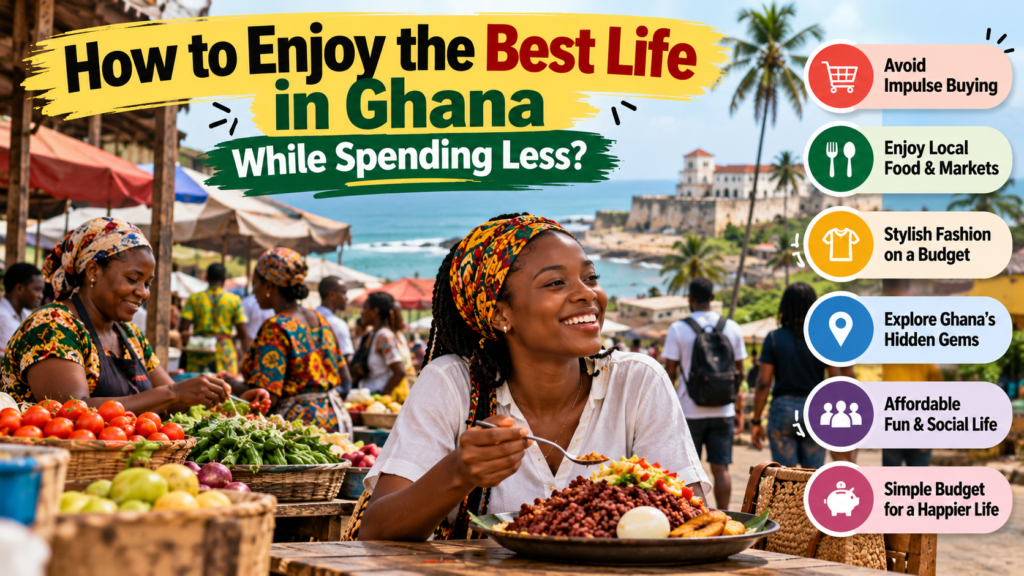
How to Enjoy the Best Life in Ghana While Spending Less?
What if the secret to the best life in Ghana is not about earning more money but learning to stop spending money on things that do not make you truly happy?
Think about it. You get settled. You pay your bills. You buy groceries. You pay for transport. You help out family members, and then you wonder where the rest of your money went. Then you go on social media and see people in Accra having expensive brunches, gliding around in the latest fashion in Kumasi, or posting photos of their weekend getaways. Your life suddenly needs an upgrade.
Seriously?
In Ghana, where daily costs of living conflict with savings, personal ambitions, and family duties, the effort to keep up can make spending a cause for stress. Data from the Ghana Statistical Service showed that the annual inflation rate in Ghana was 5.2% in September 2026. While inflation has come down substantially from earlier periods, households should still be careful with their money.
At the same time, a few of the best things in life are surprisingly simple. Sharing a plate of waakye with a friend, discovering a beautiful spot in the Eastern Region, delving into Cape Coast’s rich history, or spending a lazy evening with family.
It’s not so much about how much money you have. It’s how you intentionally use it.
Welcome to the dynamism of an anti-impulse Lifestyle.
An anti-impulse lifestyle is a practical guide to enjoying life and spending less money in Ghana. It’s not about denying yourself every pleasure. It’s about spending on what really matters, finding experiences that are affordable and close to home, and not allowing social pressure to dictate your financial decisions.
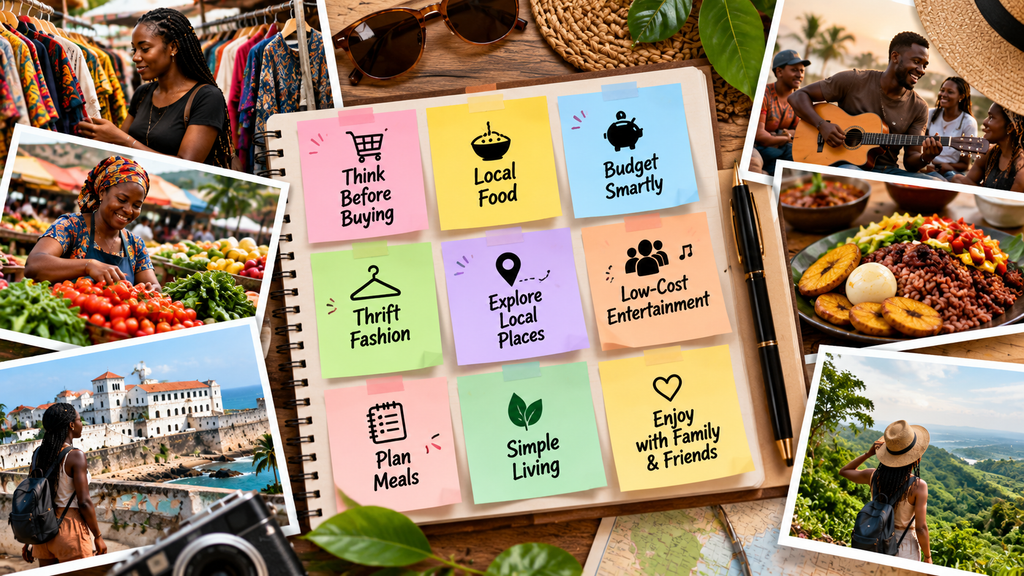
You don’t have to open your wallet to live well. From shopping at the local markets to planning weekend getaways on a budget, there are many ways to live well without always reaching for your wallet. And the best news is you can start now, not waiting for your next pay rise.
1. Embrace the Anti-Impulse Lifestyle
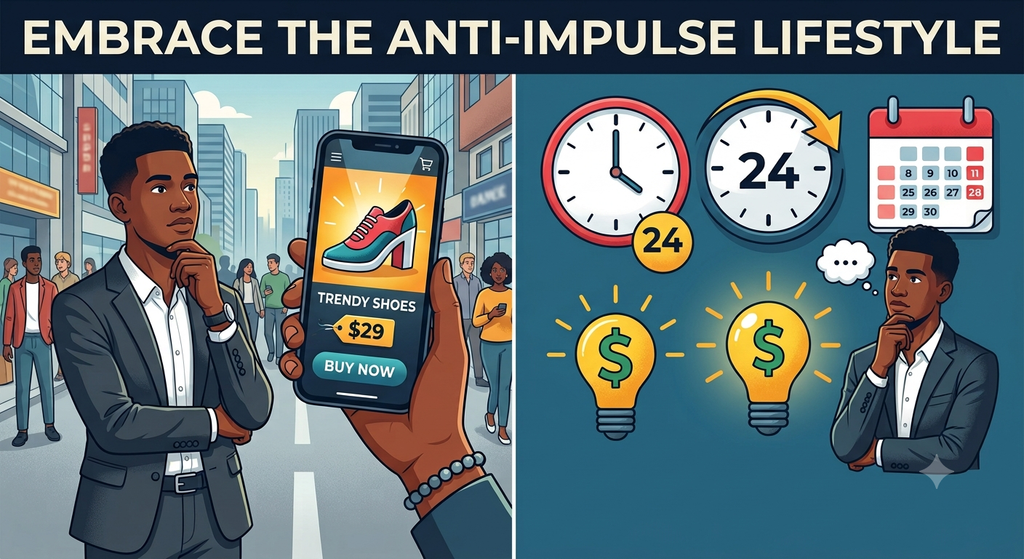
Ever bought something because it was trending online only to wonder why you bought it a few days later? Perhaps it was a pair of trendy shoes or a beauty product endorsed by an influencer or a one-off outfit.
This is where the anti-impulse lifestyle begins. If you’re thinking about buying it, don’t take a second and see if you really need or want the product. Wait 24 hours before purchasing a non-essential item. If the items are more expensive, you might want to wait a week. Ask yourself if you already have something similar, how often you will use it, and if it fits into your budget.
In Accra, where shopping centers, online stores, and social media trends can tempt young professionals to spend, this can be a very useful habit.
The point is not to stop shopping altogether. It’s about making every purchase intentional. Mindful spending in Ghana is buying what you want, not regretting what you bought without thinking.
2. Rediscover Local Food and Traditional Markets
One of the easiest ways to live the best life in Ghana without sacrificing fun is to make local food a huge part of your lifestyle.
Think about the variety of foods available in the country – waakye, kenkey, banku, tuo zaafi, fufu, kontomire stew and groundnut soup. These foods are very much part of the Ghanaian culture, and there are lots of opportunities to make satisfying meals at home. As compared to the prices of produce in Greater Accra markets such as Madina and Makola.
Kejetia Market in Kumasi sells all kinds of food and household items. In Tamale’s local markets, you can get to know northern ingredients and traditional dishes. Prices will depend on the season, the product, the seller, and the cost of transport. Shop around, and don’t assume that every market is automatically cheaper.
Meal planning can help too in affordable entertainment in Ghana and other regions of the World. Make a shopping list, buy ingredients that will last over several meals, and don’t buy fresh produce in quantities that you can’t eat.
The ingredients for one stew might be bought and then used for lunch the following day. Make a bigger, more suitable portion and store any leftovers safely so that you can reduce waste and temptation to order food when you feel hungry.
Cheap Ghanaian food is not about criticizing foreign food. It’s about taking things we know and love and making them mindful spending in Ghana for day-to-day.
3. Love fashion but don’t chase every trend
You don’t need a whole new wardrobe every month to look stylish. Creating a personal style can be more satisfying than following whatever is viral on social media.
Ghana has a booming second-hand clothing industry, and the Kantamanto Market in Accra is recognised for its used clothing. Shoppers can find one-of-a-kind pieces at varying prices and quality with patience.
Try to build a wardrobe around versatile pieces that work for more than one occasion. A good pair of trousers, comfortable shoes, a simple shirt, and a colourful accessory can make different looks without the need to buy often.
Repair clothes that just need a little fixing. Support local tailors who can help make your existing clothes last longer.
This approach links affordable fashion in Ghana to a more sustainable lifestyle. It’s about valuing creativity and personal expression over the price tag on a label. Buying second-hand clothes isn’t automatically sustainable if you keep purchasing more than you need. It’s about using less and making it last longer.
4. Make Your Own Region a Weekend Getaway
Many people believe a memorable holiday does not have to involve expensive flights, luxury hotels, or trips abroad. But Ghana gives you the chance to explore history, nature, and culture without taking an expensive international trip. For instance:
- People in Greater Accra might visit the Kwame Nkrumah Memorial Park or participate in a cultural event in their community.
- A visit to Cape Coast Castle in the Central Region will give you insight into the history of Ghana.
- As a resident of the Ashanti Region, you can visit Manhyia Palace and other cultural sites around Kumasi.
- If you are in the Eastern Region, you can enjoy a relaxing day out at the Aburi Botanical Gardens.
- Or get a taste of the local heritage and culture around Tamale if you are in the Northern Region.
Note: These are not free rides; these are starting points. Check current admission charges, opening hours, and transport costs before you leave home.
There is also evidence that domestic tourism plays a significant role in the tourism landscape of Ghana. The Tourism Authority of Ghana registered about 1.79 million visits to the sites in 2025 as against about 1.68 million in 2024.
Where possible, share the costs of transport, take water and snacks if you are allowed, and agree a realistic spending limit to make outings more affordable. A well-planned day with anti-impulse lifestyle addition in your own area can sometimes leave better memories than an expensive outing to impress.
5. Find Entertainment That Doesn’t Empty Your Account
You can have a great social life without restaurants, shopping centers and ticketed events.
Friends may host an evening of music, conversation and home-cooked food in Kumasi.
In Accra, a group could organise a walk on the beach, a community event, or a meal shared in someone’s house. In less populated areas, local festivals and cultural activities and visiting relatives can be meaningful opportunities for time together.
The idea is not to spend money. The idea is experience. Rotate hosting with friends. Someone can make a simple meal, someone else can bring a board game, someone else can organise music or a quiz. Everyone gets to play, and no one has to pay for it at all.
If you like to do things by yourself, affordable leisure could be reading, learning a new language, gardening, photography, or walking in a safe public space. Affordable entertainment in Ghana can be fun, because it allows for talking, creativity, and real connections.
6. Create a Budget That Leaves Room for Fun
Budgeting feels like a list of restrictions, and that makes it hard. A better alternative is to give your money a purpose and let some fun happen.
Start by listing the essentials, such as:
- rent,
- food,
- transport,
- utilities,
- debt repayments.
Then factor in savings and one-off expenses such as medical needs, family obligations, and yearly bills. Depending on your income and obligations, you might want to divide the remainder between personal fun and other financial objectives.
For example, someone who regularly buys takeaway meals could stay in and cook on some weekdays and save a smaller sum for eating out at weekends. Another person might set a monthly allowance for clothing or entertainment and keep a running tab of his purchases in a notebook or spreadsheet on his phone.
The amounts will vary for a student in Tamale, a trader in Kumasi, and a worker on salary in Accra. There is no budget for everything. The main habit is to keep expenses in Ghanaian cedis and to check them from time to time.
My Money, My Life
Build a budget that fits your priorities. Answer a few fun questions, set your own spending mix, and get a personalised money-life snapshot — with no account or personal details required.
Round 1: What matters most to you?
Pick the answers that feel right. There are no wrong answers.
Transportation costs unexpectedly higher? Think about whether combining chores or changing your travel plans makes sense. If you’re not using subscriptions, cancel those subscriptions that are not providing value anymore.
A budget isn’t there to make you feel guilty every time you do something fun. A budget is there to improve your life and result in mindful spending in Ghana.
7. Don’t Get Trapped by the Pressure of Proving Success
The social pressure around money can be the hardest part of spending less. A friend could buy a new phone. A colleague might post photos of an expensive holiday. There may be an expectation in your family that you will spend more on a celebration than you can comfortably afford.
Naturally, we want to participate and take pleasure in our own achievements. The problem starts when buying things becomes a sign of success, even when it means financial stress.
Social media doesn’t tell you the full picture of someone’s financial health. A photo will not reveal their savings, debts, family support, or monthly obligations. You can enjoy another person’s success without copying the way they spend money.
If you can’t afford to pay for a social engagement, suggest something else. If you can’t afford a fancy gift, give something thoughtful you can afford. If buying would mean you couldn’t pay rent or basic bills, let yourself wait. Financial wellness means understanding what you are capable of that is the perfect way of living the best life in Ghana or any other place in the World.
8. Develop a lifestyle of experiences, not of things
When you know what you really like, it’s easier to spend less. Or perhaps you enjoy learning new skills, cooking with family, exploring nature, photography, or supporting small businesses in your community. They can give your days meaning and don’t require you to go shopping all the time.
One weekend you may learn a local recipe, another visit a heritage site, and another organise a clothes swap. Spend time on the small things, and they can become meaningful routines.
Mindful consumption can be practiced by borrowing things you don’t often need, repairing household goods, and buying durable products instead of replacing cheap alternatives over and over.
It’s not that you’re trying to make every decision into a financial equation. To be more conscious about the relationship between money, time, and personal priorities. Mindful spending in Ghana can mean fewer unnecessary buys, more control over your money and, over time, a greater appreciation for experiences that already fit your life.
Conclusion: Choose The Best Life In Ghana With Affordability
You don’t have to spend more to live the best life in Ghana. Ghanaians from across the regions will find ways to enjoy food, fashion, friendship, culture, and leisure as they make smart financial decisions.
Whether you live in busy Accra, culturally rich Kumasi, historic Cape Coast, or Tamale, the principle is the same: build a lifestyle around what matters to you, not what other people expect you to buy.
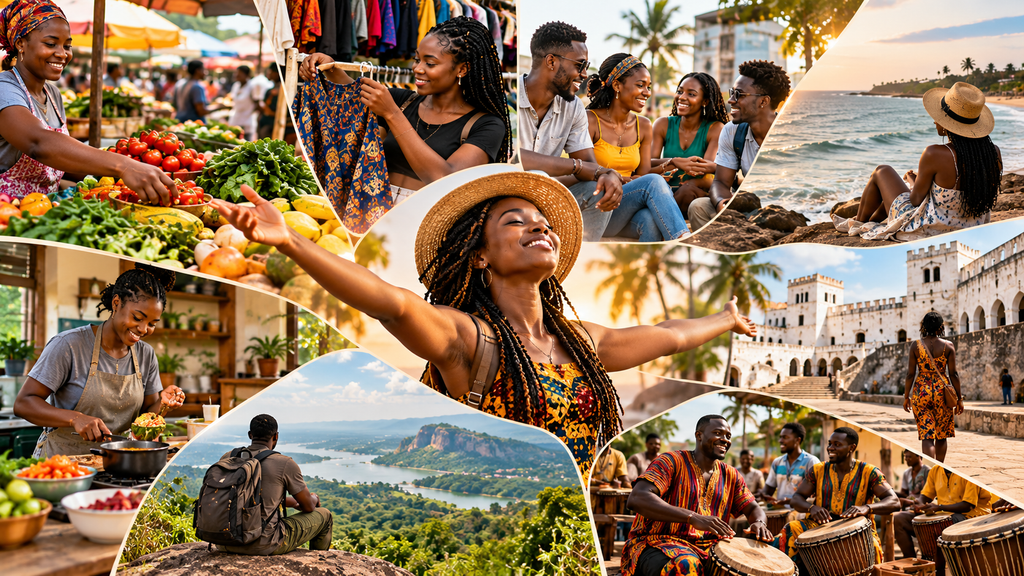
Start small. Avoid impulse buying, get out and find out what your town has to offer, plan your meals, and leave a little room in your budget for the things that make you happy.
You don’t have to sacrifice fun if you want to be more financially responsible. Sometimes the better life begins when you stop buying things to look happy, and start choosing experiences that really make you feel that way.