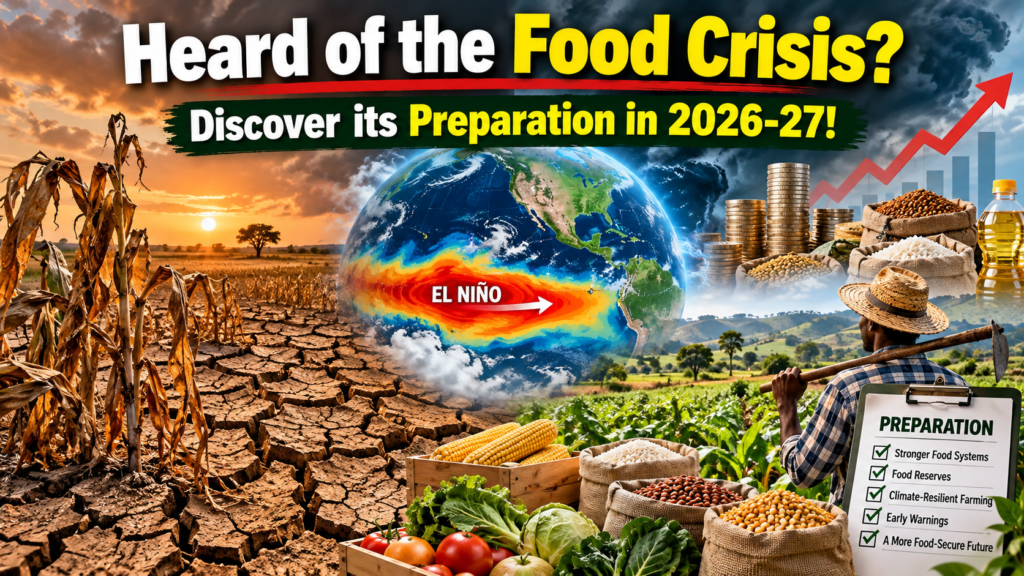
Heard of the Food Crisis? Discover its Preparation in 2026-27!
The food crisis is not always a story that begins with empty supermarket shelves. Sometimes, it starts much earlier with an unusual season of rain, a dry river, a farmer watching the sky, or the price of wheat quietly rising in a distant market. That is why the conversation around the food crisis 2026-27 deserves attention now.
The world is entering an age when weather, agriculture, trade, and household finances are becoming more and more intertwined. One piece of that puzzle is the developing El Niño 2026 event. It does not necessarily mean the whole world will run out of food, but it can throw off rainfall, temperatures, and agricultural output in already vulnerable areas.
The encouraging part is that preparation can begin before a shortage becomes an emergency.
Weather Changes The Food Story: El Niño Effect
El Niño is a natural climate event, linked to unusually warm surface waters in parts of the tropical Pacific Ocean. Its effects are not limited to the Pacific. They can alter rainfall patterns and temperatures in other parts of the world.
According to the World Meteorological Organization (WMO), the developing El Niño was expected to strengthen during 2026, bringing a greater possibility of unusual temperature and rainfall patterns. For agriculture, this matters enormously.
A farmer does not need a global climate report to understand the importance of rainfall. Too little rain can damage crops. Too much rain at the wrong time can do the same. Extreme heat can affect livestock, water supplies and crop yields. This is where El Niño and food security become connected.
FAO’s analysis has highlighted agricultural drought risks across areas including the Sahel, Southern Africa, South and Southeast Asia, Central America’s Dry Corridor and the Caribbean.
Why Could a Food Crisis Become an Economic Crisis?
Food and money are more related than one would think. Bad harvests make food prices go up. When food prices rise, families have less money for education, health care, transport, and other necessities. Governments can feel the pressure, too.
Countries that depend on imported wheat, rice, maize, edible oils, or other commodities could suddenly face higher costs in foreign currency to keep supplies flowing. If international prices continue rising, the pressure can spread from farms to markets and eventually into national budgets.
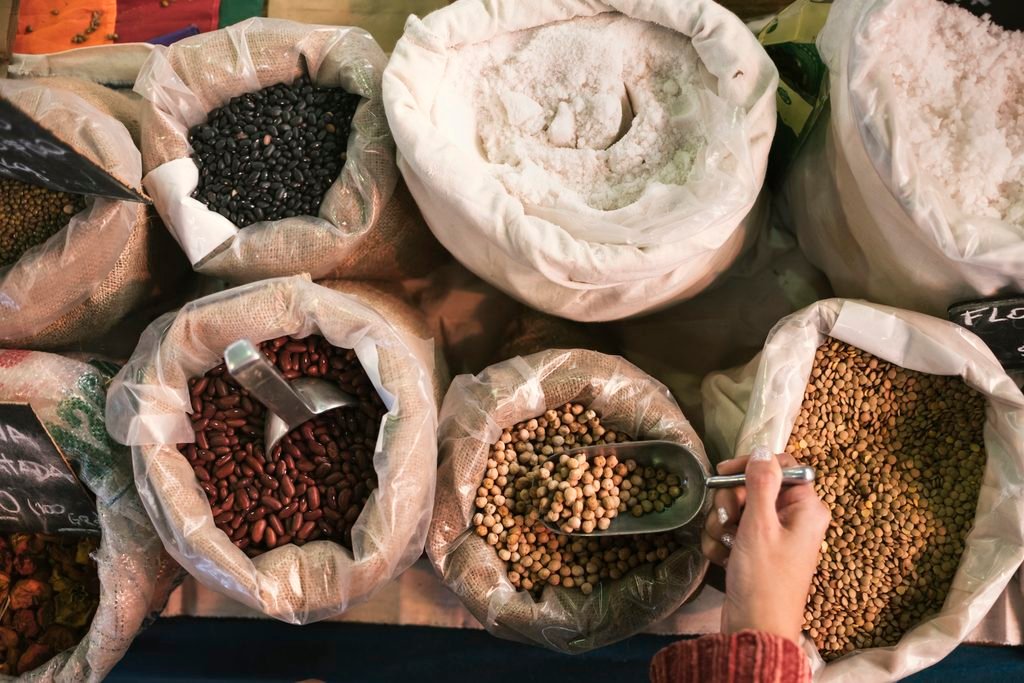
There is another layer to this problem: transportation. Food does not magically move from a farm to a kitchen. It requires roads, ships, fuel, warehouses, ports, refrigeration, and functioning trade routes. A disruption anywhere along that chain can increase the final price.
Recent FAO data illustrate why this deserves attention. Its Food Price Index averaged 136.0 points in September 2026, rising 1.5% from August and 5.8% compared with September 2025. Cereal, vegetable-oil and sugar prices all increased during the month. So the question is not simply, “Will there be enough food?”
The better question is:
Will people be able to afford and access the food that exists?
The Countries Watching the Sky Most Closely
Not every country experiences El Niño in the same way. Some areas may receive more rainfall while others become considerably drier. That is why describing El Niño as a single worldwide weather event can be misleading.
South Asia is particularly important because agriculture supports millions of livelihoods and food demand is massive. Changes in monsoon behaviour, heat and water availability can have consequences far beyond individual farms.
In Southern Africa, drought can affect maize production, livestock and rural incomes. Parts of the Sahel and West Africa can also face rainfall-related agricultural pressure.
Across parts of Central America and the Caribbean, dry conditions can affect staple crops and rural communities.
Meanwhile, countries already dealing with conflict, displacement, or economic instability may have fewer resources to absorb another shock.
FAO has identified several of these regions as areas where historical El Niño-linked agricultural drought overlaps with existing food-security concerns. This does not mean every country listed will experience a food crisis.
Food Stocks: The Safety Net We Cannot Ignore
Imagine a family preparing for a difficult month. They may buy a little extra rice, flour, or pulses. They may save some money. They do this because they know that unexpected expenses can happen.
Countries need similar safety nets. Strategic food reserves, grain storage, and reliable supply chains can give governments valuable time when harvests disappoint.
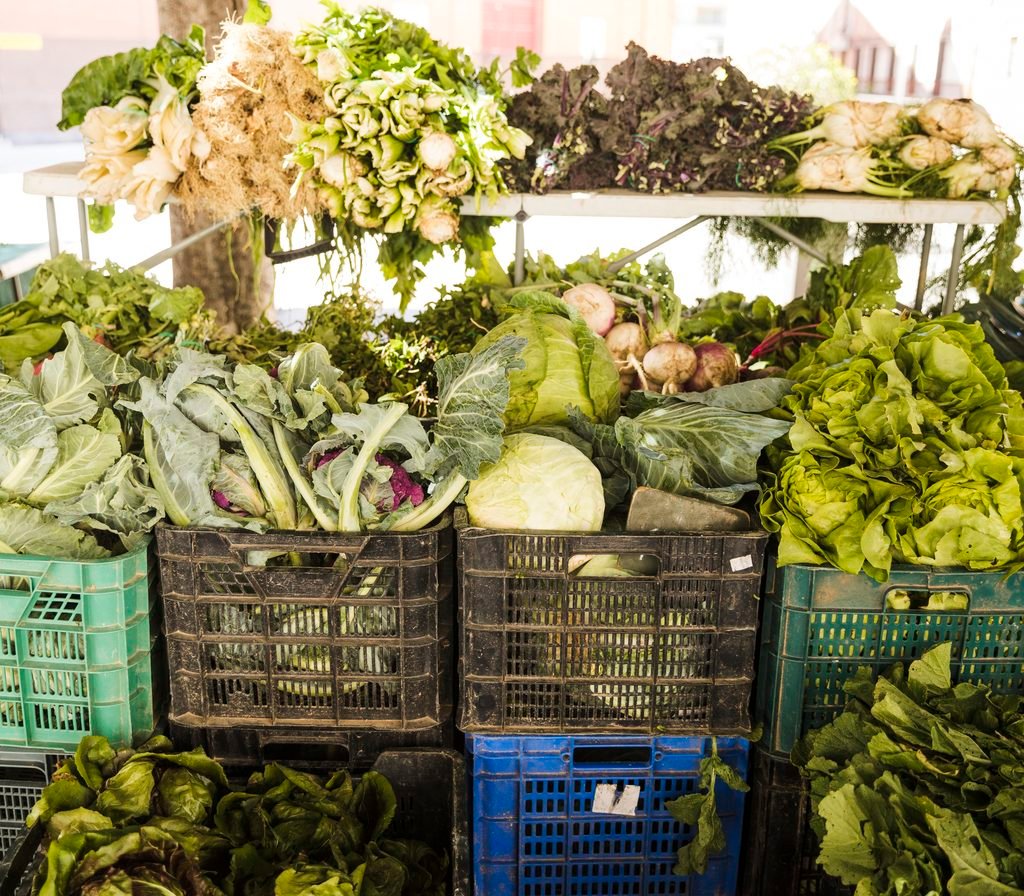
But storing food alone is not enough. Warehouses require regular maintenance. Food should be stored safely. We need functional transport networks. Governments need to know accurately how much food is available. There is also an economic safety net.
Foreign-exchange reserves, emergency funds and the ability to import essential commodities can help countries respond when international food prices rise. The strongest preparation therefore combines food reserves with financial preparedness.
What Is Being Done Before the Crisis Arrives?
One of the most important changes in recent years has been the growing emphasis on early action. Instead of waiting for farmers to lose their crops and then sending emergency assistance, governments and humanitarian organisations can use weather forecasts to act earlier. That might mean
- distributing drought-resistant seeds before planting,
- protecting livestock,
- improving water storage,
- or providing farmers with timely weather information.
FAO and WFP have already called for anticipatory action linked to the developing El Niño, including drought- and flood-resistant seeds, livestock protection, water harvesting, flood protection and early-warning information.
Their joint appeal covers 22 countries and aims to protect nearly nine million people from potential impacts. That approach is important because prevention is often cheaper and less painful than recovery.
The Farmer Should Be at the Centre of the Solution
It is easy to discuss food security from the viewpoint of governments, markets and statistics. But food begins with people who grow it. A farmer facing uncertain rainfall needs practical support, not just warnings. Such support could include:
- drought-tolerant seed
- productive watering
- rainwater harvesting
- improved soil management
- diversification of crops
- cheaper crop insurance
- weather alerts for farming
- ability to participate in fair markets
- better storage facilities
Farmers must also be flexible. It’s risky to put all your eggs in one basket when the weather gets unpredictable. Diversification can give households an additional source of food or income if one harvest fails.
Can Technology Help Prevent the Next Food Crisis?
Technology cannot control the weather, but it can help societies prepare for it. Satellite monitoring can identify drought conditions. Weather forecasting can give farmers more time to make planting decisions. Digital agricultural platforms can connect farmers with information about markets, rainfall, and crop management.
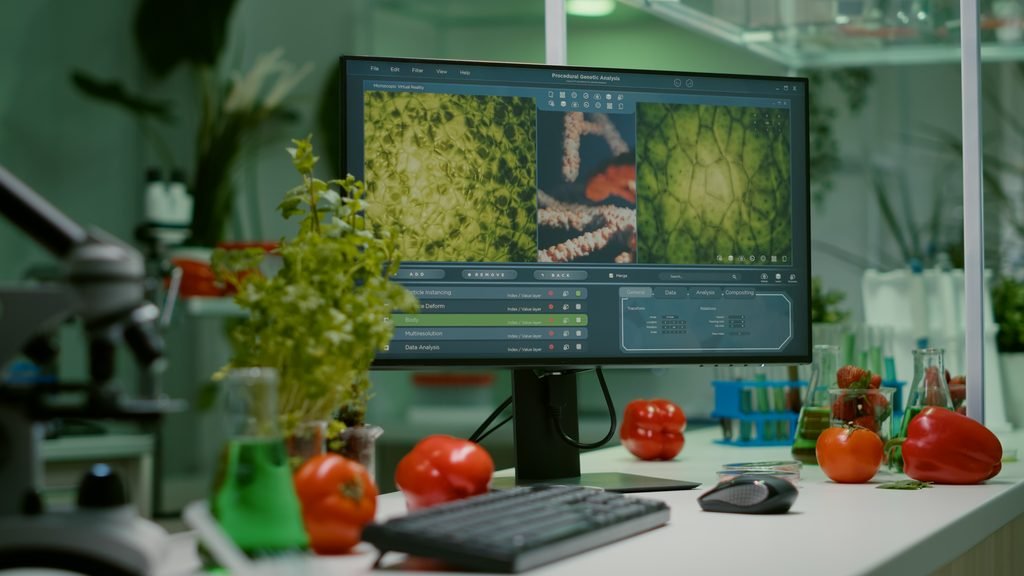
Even simple technologies can make a difference. A farmer receiving a reliable rainfall warning several days prior may decide to delay planting, protect livestock, or move equipment away from flood-prone areas.
At a larger level, governments can use data to monitor food stocks, prices, and agricultural production. This creates something extremely valuable: time to act.
The Bigger Problem Is More Than El Niño
There is a temptation to blame every food-security problem on El Niño. That would be an oversimplification. A serious global food crisis can emerge from several pressures arriving together, such as:
- extreme weather,
- conflict,
- trade restrictions,
- high fuel costs,
- expensive fertiliser,
- damaged infrastructure,
- currency weakness and poverty.
El Niño can act as an additional shock. FAO itself describes El Niño as a risk unfolding against a hotter world, where climate change can make some extreme weather impacts more damaging.
This means preparation cannot end when El Niño ends. The world needs food systems capable of surviving the next drought, flood, heatwave or supply-chain disruption.
What Should Countries Do Now?
There is no single magic solution to a food crisis. Instead, countries need several layers of protection.
First, they need reliable early-warning systems that translate climate information into practical decisions.
Second, they need adequate food and financial reserves.
Third, agricultural policies should encourage climate-resilient farming rather than relying on the same crops and production methods everywhere.
Fourth, countries need stronger regional and international cooperation. Food does not respect political borders. A shortage in one major exporting country can influence prices thousands of kilometres away.
Finally, governments need to protect the poorest households. When food prices rise, cash support, school-meal programmes and targeted assistance can prevent temporary price shocks from becoming long-term hunger.
2026-27 Should Be a Year of Preparation, Not Panic
The phrase food crisis can sound frightening. But preparation is not the same thing as predicting disaster.
The developing El Niño is a warning to look carefully at the weaknesses already present in global food systems. Current food-price movements, climate risks, and existing humanitarian pressures make that warning particularly relevant.
The goal should not be to frighten people into buying months of food or to suggest that the world is about to run out of everything. The goal should be smarter preparation.
Farmers can prepare their fields. Governments can strengthen reserves. Businesses can diversify supply chains. Scientists can improve forecasts. Communities can protect water resources. And international organisations can provide assistance before vulnerable families reach the point of crisis.
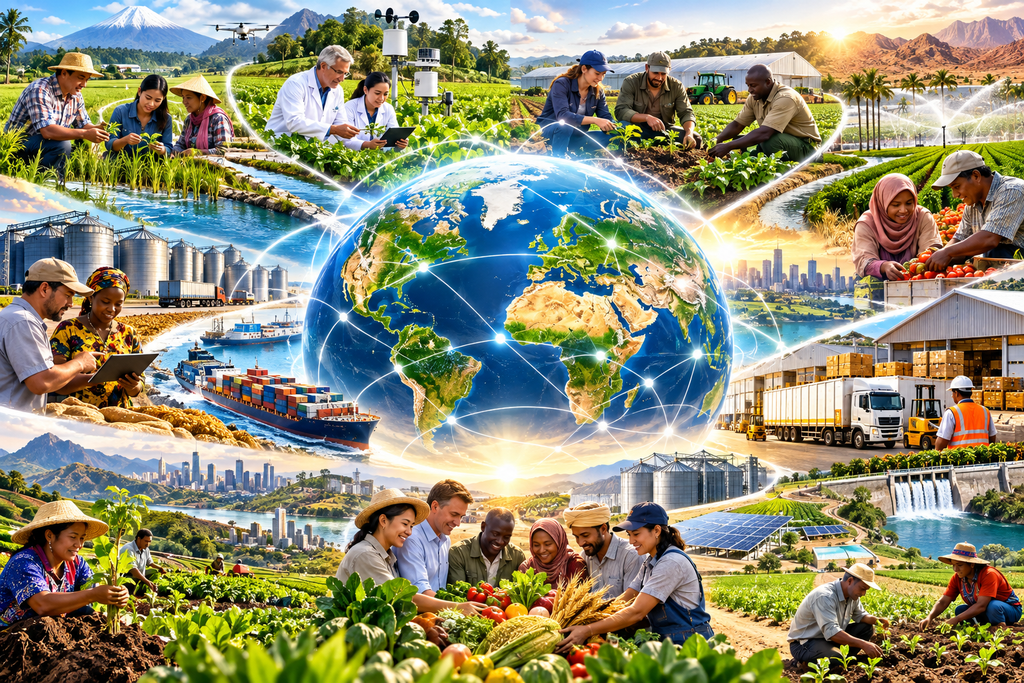
The Real Solution Is Resilience
Perhaps the biggest lesson from the food crisis 2026-27 discussion is that food security cannot be built at the last minute.
A resilient food system is one that can take a shock without collapsing. That means producing food sustainably, storing it properly, moving it efficiently, and ensuring that ordinary people can afford it. El Niño may eventually fade, as climate patterns naturally change. But the need to prepare will remain. The world does not need to wait for empty shelves before taking action.
The best time to prepare for a food crisis is while there is still food, time, and money to prepare.