Ghana Advances Reparatory Justice Agenda Following Historic UN Resolution
Ghana Reparatory Justice Conference Marks Major Step Toward Global Action
Ghana has strengthened Africa’s push for reparatory justice by hosting a landmark international conference in Accra just months after the United Nations adopted a historic resolution recognizing the transatlantic trafficking of enslaved Africans and race-based enslavement as among the gravest crimes against humanity.
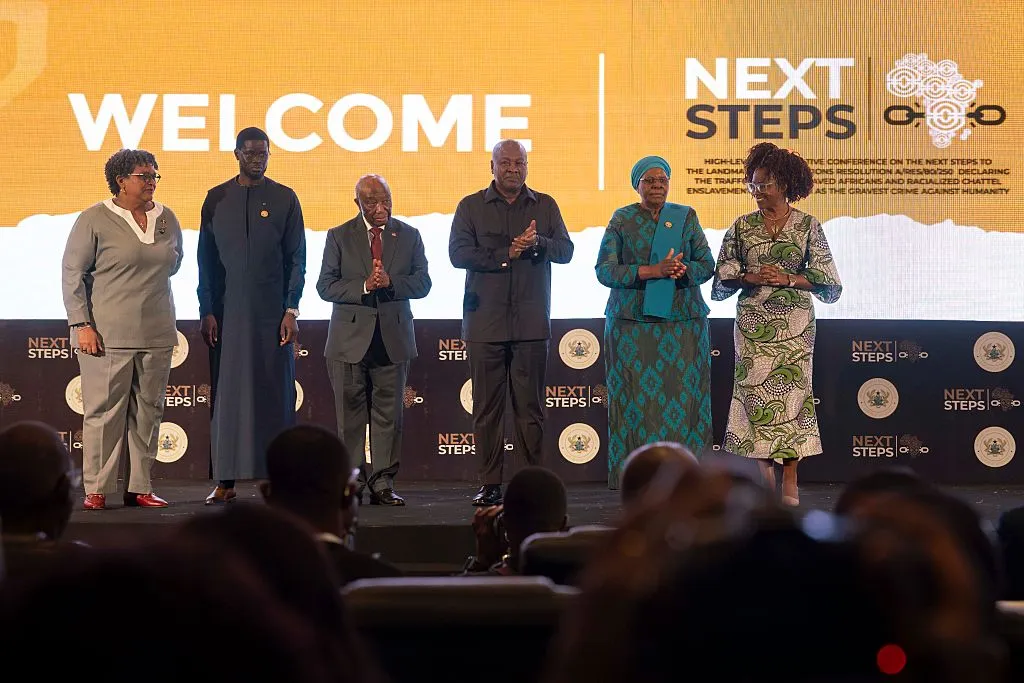
The three-day Ghana Reparatory Justice Conference brought together heads of state, government officials, civil society leaders, historians, legal experts, researchers, and representatives from more than 80 countries. The gathering served as the first major international meeting dedicated to advancing reparatory justice since the UN General Assembly adopted the resolution earlier this year.
Leaders Convene in Accra for Landmark Discussions
The conference featured a Juneteenth memorial on June 19 at Osu Castle in Accra, a historic 17th-century fort that was part of the transatlantic slave trade, setting a powerful scene for conversations on justice, reconciliation and accountability.
Attendees included Barbados Prime Minister Mia Mottley and the presidents of Ghana, Liberia, Namibia and Senegal. French President Emmanuel Macron sent a video message, saying it was important to face up to historical injustices and keep up global discussion on reparatory justice.
Five Key Objectives for Reparatory Justice
Conference participants focused on several major goals aimed at transforming political momentum into practical action. Building a Global Reparatory Justice Framework
Delegates discussed options for developing a coherent international framework to guide future negotiations, policymaking and cooperation on reparatory justice.
Establishing a Global Reparations Panel
Participants discussed ideas for a global panel to bring together experts, governments and civil society to facilitate ongoing reparations and restitution discussions.
Enhancing International Cooperation Leaders exchanged views on how to promote greater engagement in the world and how to ensure that countries impacted by the legacy of slavery and colonialism have a greater say in international fora.
Moving Forward on Restitution
The conference highlighted the need to return culturally significant artefacts and heritage items to their places of origin as part of wider efforts toward restorative justice.
Facilitating Reconciliation and the Truth of History
Delegates highlighted the need to recognize historical facts, maintain collective memory and facilitate meaningful reconciliation between nations and communities.
Historic UN Resolution Creates New Momentum
The Accra conference followed a major diplomatic achievement at the United Nations. Earlier this year, the UN General Assembly adopted a proposal introduced by Ghana on behalf of African Union member states.
The resolution recognized the transatlantic trafficking of enslaved Africans and race-based enslavement as crimes against humanity and called for inclusive, good-faith dialogue on reparatory justice and the restitution of cultural property.
The vote was widely viewed as a turning point in Africa’s long-standing campaign for historical justice. It built on earlier efforts such as the 1993 Abuja Proclamation that called for reparations for slavery and colonialism.
Increasing International Support for Reparatory Justice
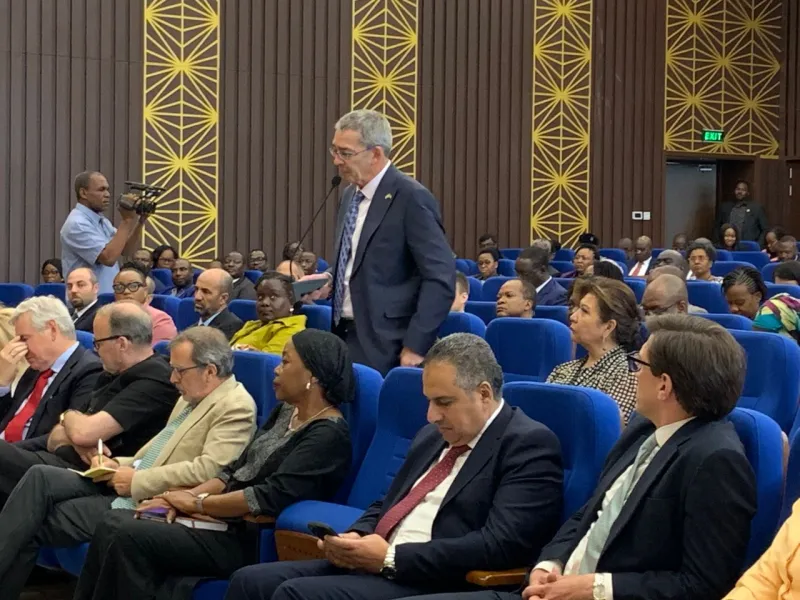
Support for reparatory justice has increased internationally.
This has led in recent years to renewed debates in Europe about historical responsibility for slavery and colonialism, and public acknowledgements of the historical role and failure of religious institutions with respect to slavery.
Accra participants said these developments reflect a wider global desire to engage with issues that have been avoided or neglected in the past.
Building a Wider International Coalition
The conference also attracted representatives from outside Africa, including organizations and institutions from the Caribbean, Latin America, and the United States.
Experts at the event said the reparatory justice movement is becoming a broader international coalition, and it’s not just about Africa and the Caribbean. They said this growing collaboration could speed up efforts to make real changes in policy, raise awareness globally and get more institutions to join the reparations conversation.
Why the Accra Conference Matters Supporters of the initiative describe the conference as a key step toward establishing the institutional frameworks to support sustained progress on reparatory justice. They argue that although change may be slow, the current political momentum provides a unique opportunity to transform decades of advocacy into tangible results.The conference reaffirmed Africa’s commitment to remain at the centre of global conversations on historical accountability, reconciliation and restorative justice.
Conclusion
The Ghana Reparatory Justice Conference has marked a significant turning point in the global movement for historical justice. By convening leaders, experts, and advocates from around the world, Ghana has helped transform the momentum of the landmark UN resolution into substantive discussions on reparations, restitution, and reconciliation. The conference has put Africa at the centre of the work to deal with the legacy of the transatlantic slave trade and build a fairer future with increasing international support.
Also Read: Ghana Top News